Videogame blog cheking out the hottest gaming experiences in the market as well as my personal insight about video game industry. It also may include my personal progress as a video game designer. The main purpose of this blog is to give gamers an insight about video games and to hear gamer's opinion on the subjects that are posted. Enjoy and comment away.
It has been fun to write in A + B and Start, but since some weeks ago I decided to start fresh with a new concept so The Gamertologist Zone was born. There are some very interesting topics there for you guys so follow the blog if you haven't and have fun. I have a lot of new ideas that will be implemented in this new blog and will be delighted to share them with you all.
Here is the link to the blog, there are several articles already so this new project is ready to roll! Hope to see you there.
I apologize to my readers since it has been a while since I last wrote an article. I tried to made some time but college duties are very demanding this semester. Finally, I got the time to write something new and I will once again make a "top 5 countdown" since the "Top 5 games that could have saved Sega" interested readers a little more than my previous articles, so here it goes.
Nowadays, we see games that try to capitalize on the success of previous ones on their respective franchises. Some of them become "spiritual sequels" while others are direct sequels to the games that precede them. In this top 5 countdown, we will see the top 5 games that should stick to their predecessor's style and features just adding new things instead of changing them. Now without further due, let's go to the countdown.
5) Bio Shock
I know what you're all thinking. "How dare you mess with Bio Shock!". Well, I'll start by saying I love Bio Shock. It's a great game, a good mix of horror, sci fi, action and dystopian fiction. Even though I love the game and I am eagerly waiting for Bio Shock 2 to be released, I won't hide the fact that System Shock 2 (it's "spiritual prequel") entertained me a little bit more. If we could put these two great games on a point scale, I'd say that System Shock 2 beats Bio Shock by a margin of 1.5 points.
The reason why System Shock 2 wins with that narrow margin is because it has, in the original formula the rpg'ish point system and classes. I could emphasize on battle or make my character a much smarter but weaker. That gave a sense of strategy to the game, and made the game world look more free and open to the player. Sure Bio Shock's game world is awesome. Picking stuff up out of pretty much everything and giving the player a reason to explore is good enough, but a point system would have made things even better. Maybe that would have opened the way for new skills (apart from the plasmid ones) and a stronger game world (stronger than it already is). Also a few strange and cryptic puzzles would have helped since the place is crazy, made by a madman.
4) Phantasy Star
Oh, Phantasy Star...The online games since Phantasy Star Online are cool but this franchise needs a classic style makeover soon. It needs the epic story line, the planet traveling, a real villain (one that has a strong presence in the game) with an evil agenda to defeat and doing more stuff than just killing monsters and bosses. The grind fest starts as a fun thing, but it starts to drag pretty quickly and becomes a matter of patience as to when the player will become bored of it.
This franchise needs to become Sega's rpg flagship once again. Like it was back then when it competed with Final Fantasy and earned it's good fan base. With gaming technnology been how it is now, I know that Sega can make a great masterpiece with a franchise like PS.
3) Silent Hill
The Silent Hill franchise started with a bang, followed with what I consider the best game in the series, kept things good with the third installment, went a little experimental with the fourth one and after all that success something went wrong. I am not saying that all newest Silent Hill games are bad, but the big ones (excluding Origins), seemed like a step in another direction that the game itself refuses to follow. Homecoming had the mood but the emphasis on action game play kind of ruined it. The new one, Silent Hill: Shattered Memories on PSP and Wii, seems promising but they scrapped the battle system and implemented a "run and hide"one. I know that this will have sort of a good effect because it will focus a little more in exploration (thing I love about Survival Horror games), but I think that they overdid it a little. Sometimes I want to feel threatened by monsters and guess what...I wanna fight back! UP until now, Silent Hill 2 is still the #1 Silent Hill game on my book.
2) Final Fantasy
The rpg franchise that almost everybody loves (I know I do). Have suffered some deep changes since Final Fantasy X2 (Yeah, I mention FFX2 because even though it wasn't as good as the previous ones, it is not as bad as people claim it is, so stop throwing tomatoes at me!). The first thing that hurt my Final Fantasy fan feelings was that they eliminated the ATB system and implemented an mmorpg/bioware rpg style hybrid that doesn't suit a Final Fantasy game. Sure it's great for games like KOTOR 1 and 2, Mass Effect, Dragon Age Origins, but for a Final Fantasy game is like making it so that if you strip off the name Final Fantasy from the game and put any other name to it, nobody would notice by playing it the first time until they see the title screen. I know it is a system that kind of works, but that type of implementation belongs to the mmorpg Final Fantasy games like FFXI and it's upcoming sequel. I really hope that with the new cannon Final Fantasy game they will make the old system return or at least make an hybrid of it that feels like the good old Final Fantasy games (1 to 10).
Now let go to the #1 game that changed so much that it degraded itself. I love this franchise but it wins the first spot on this countdown. That gaming franchise is...
1) Resident Evil
I really could spend hours talking of all the things that I miss about Resident Evil. The solid exploration, the cryptic puzzles, the backtracking, the slower but scarier creatures, the game going on from beginning to end instead of been chapter driven. The scares, the absence of quick time events, the stories that actually made sense, the awkward camera angles that made you think twice before advancing, the loads of items (non weaponry) to use among other things that made the franchise a classic.
The newest Resident Evil game (RE 5) is not bad, but it can hardly be considered a Resident Evil game. Resident Evil 4 was different but kept the essence of the classic ones alive. Once again the emphasis on action spoiled what would otherwise be an epic game. Even Shinji Mikami, the original creator of the franchise was not on that project and he himself said that he didn't wanted to play RE5 because he would feel umcomfortable with what they did to his baby. Sadly, he is no longer working with the RE franchise so who knows what will come next. I really hope that the Resident Evil game they are developing for the PSP and the future sequel will return the series to it's roots and be as fun and scary as it once was.
Final Comments:
I'm going to be brief with my final comments. I will only say that if something is not broken then don't fix it. If a game is still making money and selling like hot cakes don't change it. Afterall, it sells so well because gamers actually like it, so why re-shape it?
Well folks this is all for this top 5 countdown and I hope you guys enjoyed it. It would be awesome if you leave some comments on this one because I know the topic is highly controversial between gamers. Well, thanks for reading and see you all on my next article.
SEGA...One of my favorite game companies because of their history of high quality gaming. Unfortunately nowadays they seem kind of lost after losing such geniuses as Yuji Naka and Yu Susuki. The two of them along with the Sonic team and AM2 team are responsible for the greatness that SEGA games had from the Sega Master days up to the Dreamcast era. The very best thing they had was their style. It was a sort of strange style of making games and telling stories. It was full of many radical ideas and sheer awesomeness that was just epic. Their games had this "hook" that kept the players pumped up and eager to keep playing the game. It is difficult to explain but every aspect of their games (sound, graphics, storyline, game play) worked in perfect harmony to the point that the player not only enjoyed the game, they loved it! Because of that, the games that will be mentioned in this article have a great cult following who crave for sequels, prequels or anything that could bring back those experiences.
These games were very strong in their respective time lines, but most of them were swallowed by the fall of their respective consoles. They lived especially in the Genesis, Saturn and Dreamcast eras and boy they were as good as they come. Sad thing is, that most of these games never fought alongside each other to help SEGA win over the competition at the right time. Most of these games were so far away from each other that their light faded as the console sadly died. Lets start the countdown for the 5 strongest games that could have saved SEGA if they were released on the same console (From my tactical point of view the perfect console to them to be present would have been the Dreamcast).
#5: Nights into Dreams (first released on: Sega Saturn)
This game was a really surreal idea, made fun, pretty and amazingly good. The premise of been inside a dream and flying around a dream world was awesome. The feeling of flight and the mood that "Dreamtopia" gave us was one that challenged imagination and was shown in the most effective way possible. The graphics were very good for its time and the music and sound effects kept us with the game's scenario at all times. The game play was intense when it needed to and also calm when we had to explore the place. The boss battles were awesome and epic in the way that we needed to go a little farther to beat those bosses because it was not just a simple task of delivering hits and damaging the creature (for example, one of the bosses is a giant ball like demonic clown which we have to throw trough a maze like stage until we get it to the end where he is finally defeated). The main characters both had their different scenarios and both were realistic situations apart from the dreamworld that seem to be resolved after you defeat the final boss called "Reala" which is an evil version of the hero Nights.
Why this game should have been on Dreamcast?
Dreamcast fans were almost on their knees asking for sequels of SEGA's strongest games to be released on the console. With the direction the console was taking (better graphic, sounds and game play capabilities) Nights on Dreamcast would have been a smash hit (even more if it was launched on that fated 9.9.99 release date). The hardware was there and the fan base hungry for some quality games. Sadly Nights was later released on Wii and it did not meet the high standards the game set when it was first launched on Saturn. Nights returned to the gaming scene but it was too late to cause an impact big enough to be considered a hit.
#4: Phantasy Star IV: The end of the millenuim (first released on: Genesis)
As SEGA's answer to Square's Final Fantasy series (That back in the day was a Nintendo exclusive) SEGA made the Phantasy Star series. It was the best of Sci-Fi with the best of RPG games mixed togheter. The first three Phantasy Star games were good, but the one that was the very best was Phantasy Star IV. This game fixed all the issues the older games had (tedious menus and fight systems) and had an awesome, better, bigger sci-fi story filled with emotions and feelings. The game was fun to play with the newly implemented systems, the dungeons were not as big but nonetheless challenging and fast paced. The cast of characters was interesting and balanced and the villains were also very cool and menacing. The graphics and sound were clean and nice for the time with greatly made anime style drawings for the characters, enemies and cutscenes. The game overall was a very very good rpg experience that competed with Final Fantasy toe to toe while giving the player an alternative from medieval settings that were the rule of the rpg genre at the time.
Why this game series should have continued on Dreamcast?
As we all know, the Dreamcast had few rpgs but those few were good games and engrossing adventures. We had Skies of Arcadia, Grandia 2, E.G.G between some others. A game like Phantasy Star V was the wet dream of SEGA fans of that time. Implementing the same style and game play with the new top notch graphics of the time with an engrossing story. This game would have sold like hotcakes on a cold early morning because it was highly anticipated. I am not saying that Phantasy Star Online was bad because I loved that game, but it would have been even better to had a classic Phantasy Star before going with the online one. I think that would have created an even stronger fanbase and the hype would have been gigantic. As of today the classic Phantasy Star has never gotten the update it deserves.
#3: Burning Rangers (released on: Saturn)
Burning Rangers was one heck of a game. When most SEGA fans saw that game for the first time they were like "futuristic fire fighters? I MUST try that game". It was a risky idea that when implemented worked like a charm. The graphics were awesomely done for its time. the action was hectic and fast paced, the drama unfolded on every stage was very interesting to follow and the main story overall was very good. The anime style video cutscenes and events were awesome and the music and sounds were superb. This game was very challenging but it was the kind of challenge that keeps us going back after we lost to keep trying. Overall a great action game with a fresh new idea. This game was called by many gaming magazines "One of the games that came too late for the Saturn".
Why this game should have been on Dreamcast?
As good as the game was, it was not well known because it came on the last months before the Sega Saturn's faded away. It was one of the last hurrah the Saturn had and because of that not many people actually had the chance to play it (SEGA fans included). Because of this, reintroducing the game, this time on Dreamcast would have been a great opportunity to add up another franchise to SEGA's flagship games. With the enhanced capabilities of the Dreamcast, this game would had look very nice and polished and if the same style of action and exploration was implemented, they had a sleeper hit on their hands.
#2: Shinning Force 3 (released on: Saturn)
My personal opinion about this game is that it is the undisputed king of tactic rpg games. It has superb storyline, very fun strategic fights, nice graphics, great soundtrack and most important of all you could actually move trough towns and interact with other characters instead of browsing trough menus and text. Finding the hidden characters gave the game a good replay value also the relationship system between characters made us try again and again to do different combinations and see the results they had on fights.
Fights were epic and permitted a great deal of strategic actions that made the player feel comfortable and confident of his/her skills. Two more scenarios of this game were released based on the point of view of other characters that appear on the first one, but these were only released in Japan. That I considered to be a low blow coming from SEGA's to us fans. This was another game that came too late to save Saturn along with Burning Rangers and some others.
Why this game should have been on Dreamcast?
Although a Shinning Force IV would have been awesome on Dreamcast. The thing that SEGA's fans wanted most was a bundle. All three Shinning Force III scenarios on one disc (or maybe 2). All Sega Saturn fans that played the first scenario wanted to play the other two so why not? Maybe they could polish the graphics a little add some new hidden characters to find...They could even make it have an online component where trough Sega Net players could fight each other on epic tactical battles. The possibilities were endless, this would have made extra money of a game series that was finished many years before. Up to this day I ponder about why SEGA didn't capitalized on this chance. Next is the #1 game that should have saved SEGA if they had released it on Dreamcast.
#1: Panzer Dragoon Zaga (released on: Sega Saturn)
This was the best game SEGA had to offer to Saturn owners and was also one of the last games they made for the console. This game was made to compete with the Final Fantasy games that were selling like crazy on the Play Station. The whole game was a complete trance, players that experienced it were hooked from beginning to end succumbing to its surreal, mistical mood. The fights were awesome were you could fight the enemy almost on real time from the front, sides or rear giving fights a new sense of strategy. The game world was a big one and the story was one about empires, wars, mistisicm, spiritualism and the relationship of the main character with his dragoon. It was also cool how the dragoon evolved as you gained levels becoming a more powerful and menacing looking creature. At first I did not believed that the game could come close to Final Fantasy standards but after giving it a chance, I have to say that it really does. For me this was the Saturn last glorious breath before dying.
Why this game should have been on Dreamcast?
This game should have been on Dreamcast for obvious reasons. An engrossing rpg adventure using one of SEGA's most respected franchises with the capabilities of the Dreamcast, it was a match made in heaven. I know that SEGA's development teams were busy making Shenmue, but I think that a Panzer Dragoon Zaga sequel would had been a much better use of resources and it would have given better results. Even a remake of the original Panzer Dragoon Zaga would have been a hit since not many people played this game on Saturn. A game like this on DC would had served to show gamers what the Dreamcast could do and what to expect from SEGA on that generation. Rpg fans would have loved it and I am sure it would had sell to the point of scarcity. This would have been like SEGA standing in front of the competition and saying "we mean business!". A pity that the possibility was never considered.
Final thoughts:
Picture all these games on the same console (Dreamcast). Imagine the profit, the fan base getting bigger, none believers turning into SEGA fans and the game industry acknowledging SEGA as a gaming force to be reckoned with once again. If something like this would had happened maybe today we would be playing on a Dreamcast 2 and SEGA would still be one of the top competitors in the gaming industry. At least there is still hope to see this games on today's big consoles lets just hope that one day SEGA realized what they have been missing. Great games like this don't deserved to be left out and obscured for an eternity. Thanks for reading and see you all on my next article. Bonus Stage!
I've decided to post some videos of each game so you can get the idea on how these games were.
In the course of my life as a gamer, I have played many games which feature a level and quest systems for character growth. Some were nice and fun, but some were too painful and dull and others were even unfair. In this article the you will see the flaws of most of these systems as well as ideas on how to make this systems evolve to better and more fun schemes for the gamer to enjoy. Without further due, lets go to these ideas that can make these games a more richer experience.
And chuck never leveled up, he just learned and mastered stuff.
Idea #1: Better use of experience points
In most mmorpgs and games in general that use level systems. The points awarded to the player (simulating real life experience in something) are entirely one sided. Lets say you killed a wild animal in X game. You gained 100xp (xp meaning experience points) but they are just that, generalized experience points. That sounds good and simple, but it is fair? I mean if in real life you killed a wild animal you are supposed to learn more than one thing as opposed to gaining an overall generic experience in life. Lets say that your arms got stronger by using them (with your weapon) to hit the animal, your reflexes got better, your knowledge of that type of animal went up a notch, your knowledge of the place were you hunted the animal went up a notch, and psychologically speaking, your self esteem and confidence went up a little too. By now we have 6 different things that have improved when you slayed the wild animal. Most systems give you a generic sum of experience that when you get to level up it only means 2 -4 points added to basic parameters such as strength, dexterity, defense, agility, etc. So that means that by killing countless creatures I gained just that little? As for the levels come this other idea.
This is proof that people rather be enjoying the game than grinding.
Idea #2: Replacing "levels" with something more real and comfortable.
Levels are good an all for some games but for most (especially mmorpgs) they are becoming a nuisance. Oh you can't ride that machine until you are level 50, you can't have a ride until level 30 that type of things make many players frustrated and frankly speaking, they don't make any sense. Now lets say that instead of levels you can have this whole group of skills and traits that complemented with your equipment can enable you to be whatever you want to be (while inside your race native characteristics). Lets say I am an elf on a game where there are no levels and instead they used a "trait" system (Fallout games have part of this system but they included levels altogether which makes it the same as traditional systems). I use my elf and in the beggining I have all the trait associated with this race with some points added in certain basic ones. If I want to be a mage, I know I should train my intelligence by reading or getting to learn new stuff, as for my magic that trait raises every time I use a spell. I should have some dexterity if I want to cast spells faster so I train doing activities that would raise dex. That is a little example of how a completely trait based system would work. Having total freedom over my stats doesn't mean that I can make a god out of my character because there have to be limits based on race and job chosen so balance isn't broken by any smart ass player. Now that we talk about traits and stats what about the HP? How can that be enhanced on a game that uses a trait system? Well see the third idea if you want to know.
Well I have like 500 hp the monsters may hit by...oh whatever here I go! -said minutes before becoming a mangled corpse.
Idea #3: No HP growth, just modify the amount of damage taken.
This idea is quite simple. Instead of having a character whose HP or life is like 1000000 and this becoming a great mathematical calculation to have expectations of life and death in the game, it would be a lot better just to have a small number (like 100hp for instance) and modify the rate in which the player loses hp when fighting. Lets say that in the beggining, with newbie equipment the player can lose up to 3-9 hp per basic attack he is hit with (or even more if he battles stronger foes). but 2 weeks later, after the player has beefed up his stats and traits and now on the same area he just get damage around 1-3 hp making a lot less prone to dying on a fight. His hp is still 100 but his defenses are better so he is dealt less damage. Small modifiers can include elemental damage, magic damage, stab, slash, blunt damage and so on. This is not only much simpler to handle it is even more realistic. Because if I know that the monster over the hill will hit me for about 20 hp per basic attack I would not dare to fight with him. It is easier, more comfortable and it gives a more open insight to a player on how to survive in the game world. Now lets move on to the next idea.
Behold my great ride. I know nothing about horse riding but been lv 30 and doing an idiotic quest made the trick.
Idea #4: Fixing the issue with mounts, travels and pets.
If levels doesn't exist then how we will limit players for mounts, travels, pets, etc? The answer to this question is answered simply by saying that the chances of you doing something depend on your stats and the time you take to build them. So if you want to mount a horse for example you will have to learn how to ride it (unless it is on your race native talents). You may try and try, fall off the horse, not be able to have control over it, until you finally reach that point where you can ride as fast as the wind trough the plains, you just have to take your time to learn the skill before you can use it. The different trait that the player may or may not have will also affect how slow or fast you learn the desired skill. As for travel systems you don't need any level to ride a boat or an airship so the risks you may find in traveling to new places are entirely yours. The game should NOT limit any traveling because it is not only boring and uncomfortable, it is also unrealistic.
What? I've killed thousands, I am feared troughout the land and now you want me to fetch this herb to your grandma?
Idea #5: Not quest, just experiences...
One part of leveling up and doing stuff in most mmorpgs is going quests. These are a good source of game money, items and experience. The thing is, they are boring as hell. Deliver a piece of clothing to Johnny the one eye guy on the other village? Kill a thousand boars and give their skins to chief louis? How about following the ideas of games like Elder Scrolls Oblivion, where are simple quest starts then it develops into something more deep. Like the old women who seems to have a rat problem in her basement and you go there and kill the rats but they keep coming, later you discover that other woman is pouring rat food trough a hole in the basement and that's why the rats keep coming. You then have to trace the woman and either make her stop doing what she is doing by words (charismatic skills) or simply destroy her source of rat food. That is when the quest really ends. If this quest was done by some game standards standards, killing the rats ended the quest and nothing more happens. Why the over simplicity? So now for the rewards they come as you go trough the quest adding expertise to the various traits based on what you do to solve the problem and of course the other rewards will be gold and maybe some item. This is way more fun than dull fetching quests.
The Bottom line:
My last comments on this subject (how to make mmorpgs better) is that maybe this type of system is soon to come. Games like the new Star Wars mmorpg (based on the Knights of the old republic game) are signs that hope is not yet lost. Some day we will play mmorpgs and will develop a character that will become better as a real person does, by learning and improving, practicing and doing different things instead of mindless grinding and boring repetitive quest. Who knows? Some day we could even play a perfect simulation of real life on which we will hardly see the difference. Well folks this is all for today, hope you guys and gals enjoyed this article. See you all soon!
Casual gamers. Some say they are the moving force within the gaming industry, some say they represent the industry's downfall and others just don't care. From my point of view as a hardcore gamer, it is best to say that casual gamers are in a vast majority just entry level gamers. As we all know today's hardcore gamers didn't began playing video games with games like Call of Duty 4. We old schoolers started with a bunch of simple games and then we went up the gaming ladder as richer gaming experiences arrived. The goal of this article is to give casual gamers some tips on how to handle different hardcore games so that if one day they are interested in one, they don't get scared by the game's design, difficulty, game play, etc. Each one of the guides will consist of tips on what to do in certain situations that usually frustrates casual gamers. If you are a casual gamer this article may open yourself to some great games on different genres that you may be missing.
Tales of Vesperia (Xbox 360)
Survivor's guide on JRPGs:
-Patience is a virtue. Take your time to become familiar with the game's system. Get some levels, skills and powers and then proceed carefully. At first it seems tedious but it pays off when that boss cannot even touch you. Doing this at the beggining of an JRPG makes the gameplay a lot smoother and easier to digest.
-When going into a big city or dungeon divide the place in zones and check them well before going further. Feel a sense of exploration and try to poke your own curiosity. Visualize the place as if you were watching a movie, wanting to know what the townsfolk say or how to solve a puzzle. Avoid looking the place as a big maze because most of them aren't as hard as they look.
-Learn the different uses for items and keep a steady stock always. Most players spend all their game money on weapons and armor but then lack in items and support. For entry level players, Items and support make wonders because it is easier to see that many potions will keep you alive than to calculate weaknesses, damage % and other stuff.
-Most JRPG uses elemental systems for weapons, armor and enemies. The most used basics are (Fire dominates Earth and Wind, Earth dominates Water, Water dominates Fire, Wind dominates Water and Light Dominates Darkness) These elemental attributes can change from game to game but the names and classifications are always similar.
-If you lose more than 2 times on a certain place, boss, etc. Take a break to do other things or play other games. The ideas on how to win will come later and all will even feel easier when you play later with a fresh mind. Been stubborn and forcing yourself to keep playing will only make you hate the game in the long way.
-If you really like the game, share the experience. Having more friends liking the game and been hooked will make the experience a lot richer and more fun than just playing alone and keeping your excitement to yourself.
Elder Scrolls: Oblivion (Xbox 360, PS3 and PC)
Survivor's guide on American RPGs:
-Because it is harder just to level up at the beggining, try to enjoy every level you gain. American rpgs are best known for their freedom and emulation of life itself. Do what you would do if you were really there and level ups will come without you even noticing. Be sure to assign skills points after each level up.
-Be careful with who you fight. Level differences are not very palpable on american RPGs. If your gut tells you that the enemy will be too strong chances are that you are right.
-Talk with everyone! On american RPGs a great deal of the NPCs (characters you don't control) have quests to give and after games like Elder Scrolls Oblivion, Borderlands, Fallout 3, etc. It is known that most of those quests will be fun and worth a ton of experience points and/or money.
-Money on american RPGs is very scarce. Try to always "find" your weapons and armor by defeating enemies or looking for treasure (this is called looting). You will be amazed when you see that the sword you just found on that cave later sells for a very expensive price on the nearest town and you got it for free (Of course not all equipment can be obtained this way).
-Try a little bit of everything. Some american RPGs have different options to join groups, guilds, factions etc. The best thing is that each one has a different set of quests and missions.
Myst 3: Exile (PC)
Survivor's guide on Adventure games (point and click):
-Always have a pencil and piece of paper ready to write down anything that look suspicious. For example if you see a strange riddle, clue, object pattern write/draw it on paper so you don't have to backtrack later just to read it. (Some adventure games nowadays come with features like taking photos and/or writing notes in game but not every game is like this)
-Divide big places into areas and start solving puzzles in one place at a time. If you cannot work out a puzzle on some area then you can go to another and give it a try. Puzzles may or may not be related between places but if you do everything neatly, you won't get lost.
-If you get really stucked, first check your items to see if you can combine any of them. Then try to use a little logic to use those items in certain places (ex: Keys at doors, Mysterious stone at pedestal, etc). If logic doesn't work then go to each area and use all items on all possible puzzles.
If that doesn't work, Then there is a high chance that you missed an item or a simple puzzle somewhere. Check all areas carefully be on the look for strange shapes that doesn't seem to fit with the scene, you will eventually find what you are looking for.
-Some adventure games require the player to know certain real life knowledge to proceed. Don't be afraid of using the web to learn how to do that certain things (For example in the game Dracula: Path of the dragon you must decipher the type of blood of some people by using catalysts and stuff like the pros do. I'm no lab assistant but I figured it out by using the net to look on how to do the procedure).
Street Fighter IV (Xbox 360, PS3 and PC)
Survivor's guide on Fighting games:
-Start by playing on practice mode with all the available characters until one fits your style. Don't judge a character by their looks, some can even look dumb but be devastating.
-You don't have to learn in depth stuff to win at a fighting game. You just have to master the art of blocking and counterattacking. Each character does it on its own way.
-Don't jump too much. Jumping makes you really vulnerable in most situations.
-Always keep on the move. Been a sitting duck will give the opponent a chance to jump at you and trap you in a corner.
-Every character has a move for getting out of corner traps, be sure to master it and use it wisely because sometimes if the move fails to hit, it will leave you open.
-Stay cool trough out the fights. The whole idea of a match is to make the opponent make mistakes, so keep it steady and try to break the opponents patience. If your opponent starts nagging and complaining pay it no mind and keep putting pressure on him.
Gran Turismo 5 (PS3)
Survivor's guide on Racing simulation games:
-These racing games are not the same as the arcade games that you may have played. Here you have to use the brakes and take curves effectively. The basic way of taking a curve is enter from the outside slowing down a bit. Then take the curve moving to the inside and exit the curve as tight a possible. You will see the car move to the outside again, itfthe speed is correct you won't go off the road to braking is important. (For a deep explanation on taking curves see the Gran Turismo 2 player manual).
-Go automatic. Driving on manual transmission won't do much of a difference unless you are a professional player playing in competitions and such.
-If you see you can tinker a bit with your car do it, and then do test runs to see how well the car works. Always try to read about good car tuning for certain situations, write down information than can be related to the tuning you can do on the game and see if the real life tips apply to the game itself. If they don't then you have to use trial and error to get the most of your ride.
These are the hardest genres to play for the casual gamers and that's why I focused on them. Hope that these guides are helpful to casual gamers out there so they can enjoy the experience of a hardcore game and have the same fun we have. Thanks for reading, see you all on my next blog.
In the last weekend I managed to get to the state of Florida (Orlando, FL to be exact) where for the first time I started the engine for my near future, that from this moment on is almost decided (Masters degree on Game Design at Full Sail University). Although one of the most important aspects of my time in Florida was to get info and insight on what I want to study for my masters degree, I also went to a lot of places and had lots of fun. One of those places I went was a piano store near Florida mall where an awesome guy treated us very nicely as he showed us all the different pianos he had. One of them particularly got my attention. It was a piano/sound console/studio combo. the guy showed up this device by playing music along with some drums loops. He also emulated different instruments such as guitars, bass, choirs and even an entire orchestra. He played rock, jazz, classic, blues and even tropical music.
Sonic Adventure music is a cool mix of alternative rock and hip hop
That's when it hit me. As the guy kept playing I actually stopped paying attention to him and went into some kind of trance. I was lost in thought, I was still listening to the music but instead of watching him play I was in my mind creating a scene for a game. As the tunes followed I thought of everything. I remember it was an rpg game scene. The camera flew trough a small village where the main character was getting near the village. The grass was a little tall around the village (around knee height) but once passed the main gate it was all nice and rustic, The houses were made of wood but were very elegant some having 2 floors. In the middle of the village there was a statue of a soldier with an awesome abstract shaped spear on his hand, but this soldier was not human, it was sort of a dragon/beast hybrid, maybe a hero of the past. On the back of the village a huge windmill could be seen and people were everywhere selling stuff on small booths, children playing and others just minding their own business. There was a small cool breeze that I could even feel on my face as my imagination easily created this world for me. The hero was walking trough the village when the music stopped and I went out of my trance.
Nobuo Uematsu's band. Nobuo is the creator of most of the music heard in the Final Fantasy saga (except for 11 and 12)
It was then when I realized that the best way to come with ideas for a videogame (ideas like places, characters, script, levels, plot events, etc) come easier with music. I discovered that all these years all my ideas came from music and developed from there. I must admit that I see everything around me as a cinematic experience. I hear music in my head everytime something happens be it a sad, happy, dramatic, heroic, exciting or funny moment my brain processes it all as if it were a game or a movie. Funny thing is that when I go back to real life and I see that there is no music to enhance the mood regardless of what happens I feel that the event is dull and colorless. Call me crazy if you like, but that is how my creative engine works.
Castlevania: Symphony of The Night has one of the most beautiful soundtracks in the gaming world
To get into some details lets decompose a melody and see what affects what, first comes the pitch. The pitch of the melody defines the entire mood of the scene as I create it. Low pitch can be a dramatic or sad scene maybe a scene presenting the bad guys while a mid tone can reflect a calm scene and high tones mean tension, effort, confrontation, and in some cases a funny scene. The tempo of the melody gives me an idea of the speed of the action so it could be a character slowly walking, it could be the character riding a horse to his/her destination, the characters riding a hover craft, spaceship or even a dragon all this depends on the speed the notes are played.
An entire orchestra, it is a beautiful sight
The instruments that are played in the melody deeply help to make that visualization I am looking for. For example violins can reflect a refined environment or a refined character for example an aristocrat, an elegant villain or something gothic. Electric guitars could mean an exciting scene or cool character (like Sega did with Sonic the hedgehog in Sonic Adventure where they gave him a nice alternative rock song that gave the character this cool and young attitude). This way the instruments give a great deal of material if the listener is sensitive to it (and has heard a lot of music linking melodies to different experiences in life). Also more instruments mean a lot more concentrated feelings that is why I personally prefer orchestras as they feature lots of different instruments and opens even more doors in my imagination than popular music does. On the other hand, if I have to chose a solo instrument to give it a shot at certain parts of the creative process I'd choose a piano because of its versatility in conveying feelings (especially for sad and dramatic events, conversations, etc)
The classic grand piano
So, to summarize everything that was previously discussed in this article, the pitch, tempo and music instruments can be used to make a world inside of the game designer's head. Different melodies, different music genres they all have something to offer. All this was learned from a simple visit to a piano store and it has changed the way I approach game design in all means. As a candidate for game design now I know that this technique will help me a lot in the near future and I will make the most out of it, so now I put my headphones on and write away creating worlds in a faster, more efficient and fun way.
Favorite types of music to ignite my creativity: (I like them all but these are the top of the line) -Orchestral music -Japanese music -Rock and Heavy Metal -Rock Opera -Piano concerts -Folk, Tropical, Choir groups -Techno and trance
Many gamers, if not all of us at one time have played a survival horror game. Old school gamers such as myself can mention quite a few (From old PC to PS2) like the old Resident Evil and Silent hill sagas, old Alone in the dark games, Clock tower, Fatal Frame (my personal favorite), Rule of Rose, Siren, Deep Fear, Parasite Eve, Hunting Grounds and the list goes on. Newcomers can mention games like the new Alone in the Dark, The chapter based version of Siren, Dead Space, Silent Hill: Home Coming, Silent Hill origins, Escape from Bug island (It isn't so good but I had to mention it) and some others. In the past two years it seems as if the survival horror genre is starting to turn back to its roots and dismiss all that experimentation that focused on the action rather than suspense, helplessness and horror.
To be able to talk about this topic accurately we must ask ourselves, What do we expect of a survival horror game? My personal taste calls for the dark suspenseful atmosphere where you roam the place clueless, looking for answers as the storyline develops itself dropping you in dangerous situations where you must use your wits to survive. I like the "usually harmless normal person" approach, because it raises the fear factor up a notch. I rather play as a normal guy who finds himself trapped in a horrible experience (a great life threatening ordeal) than a soldier who has a vast knowledge of weapons and already has the physical training to endure the situation. I like to feel helpless, having to use (for example) a metal pipe to smash a monster to bits because I spent all my ammo or if the pipe doesn't work just run like hell. Resident Evil games always have characters with military training in them, but all of them seem more human and vulnerable enough (except for Resident Evil 5 where they are bad ass heroes).
Good character design is one of the things that seemed lost in time when developers starting changing the way they were doing these type of games. Another aspect that was wrongfully changed lies in the gameplay itself. Today's game storylines seem good but they are dragged down because of an incorrect gameplay implementation. Instead of a full plot driven environment with no pauses, the games feel like they are divided in stages (Some even do it on purpose as in Resident Evil 4 and 5). Lets stop for a moment and compare this to horror movies. In an horror movie you don't see the actors stopping the plot and saying "OK we survived the first part, lets see how good we did". You see the movie go from beginning to end with no pauses (if the movie was filmed and edited correctly of course). So why must survival horror games have pauses if they try to be a cinematic (as realistic as possible) experience? Aren't the pauses making the game look more linear and less real?
Cuuuuut! Ok people stage is over now! We regroup tomorrow on the cave to film the cave scenes ok? I want you all at 6am at the cave site, bad guys plz come already dressed in your costumes...
Dividing a game in stages is alright for action, platformers and other types of games where player immersion into the game world isn't an issue, but for survival horror it just ruins the experience. Take for example Resident Evil 2; You could go trough an entire scenario (remember Leon A, Claire B - Claire A, Leon B) without a single pause because all the ratings and evaluations on how well you played were made at the end of the game. Developers these days may put pauses because they want players to be able to backtrack at will to do silly fetch side quests, or go all the way back just to unlock a treasure box which has a useless item. Don't get me wrong, backtracking is good, all the good old survival horror games have it, but it is for story purposes, perfectly synchronized with the things you must do in order to get further and then and only then you may have a chance to collect other items and make side quests.
Now lets talk about Action vs Horror. When we say "survival horror" it means only one thing. "Survive THE horror". It doesn't mean survive the onslaught or survive the raid or even survive the horde. Now lets go deeper in the word "horror". Horror means getting scared, fear for your life, jump out of your seat moments, not knowing what awaits you at the next corner, but realizing that it won't be anything pretty, the atmosphere of nightmarish stuff, few or no things to defend yourself, that's horror. Action means a more "lightened" approach, the stress of battle, going against all odds, shoot and kill until you can take no more (or your HP drops to 0), lot of weapons and ammo to spend, been a hero, that's action. Now we compare both of these types of experience. Which one fills the space of a survival horror game more accurately? Horror right? Now why developers are trying to forcefully push action into survival horror even replacing the horror itself? The irony kills me.
Other aspects that hopefully will return: -Return focus on slow but deadly and resistant creatures instead of fast weaker ones. -Focus more on puzzles and plot and less on action sequences. -Make more indoor maps than outdoor ones. -Make a better use of music for setting the mood. -Return to the weird camera angles instead of over the shoulder permanent view. -Less or no quick time events (it is more frightening to get out of a situation having full control than having to smash buttons up). -Once again play with the player's mind and keep them doubtful of what will happen but wanting to see more. -Give bits and pieces of the plot throughout the game so the player can have his/her own ideas until he/she actually gets to a cutscene.
Now that we have seen all the aspects that were changed and we saw how good they used to be, we can rejoice knowing that old school survival horror is returning. Cursed Mountain and the new Silent Hill on Wii are good examples of how the genre is returning to its former glory. We can only hope to see new titles with the correct formula scaring the hell out of us gamers in the near future. When they do come, I will surely inform so be sure to come back anytime you like to Press A + B and Start.
Note: All the games cited in this article are good games (except Escape from Bug Island lol) I only criticized the changes on the survival horror genre perse. So I am no hater I just state the facts and hope to read your opinions on the subject (I appreciate a good argument).


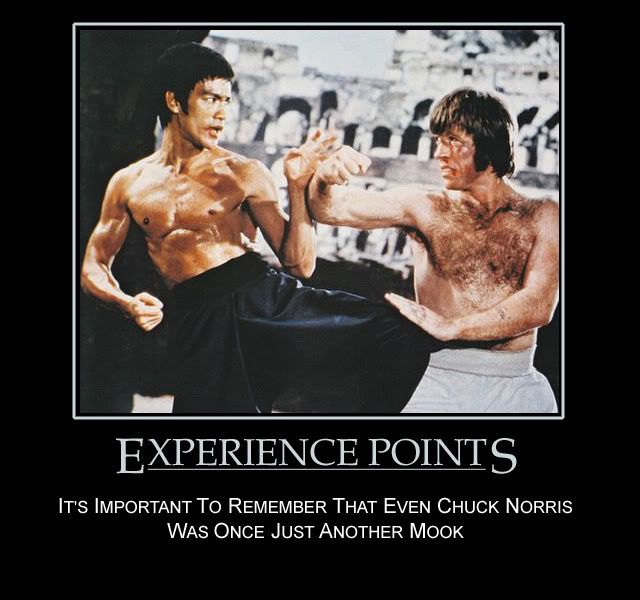 And chuck never leveled up, he just learned and mastered stuff.
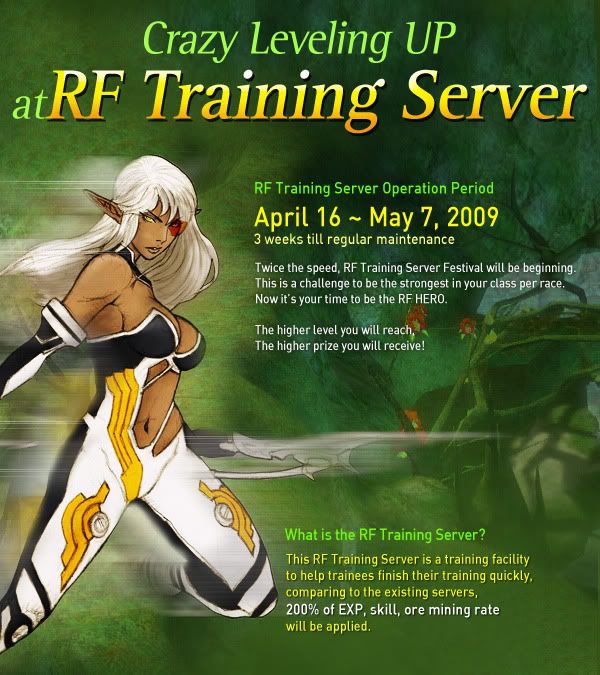 This is proof that people rather be enjoying the game than grinding.
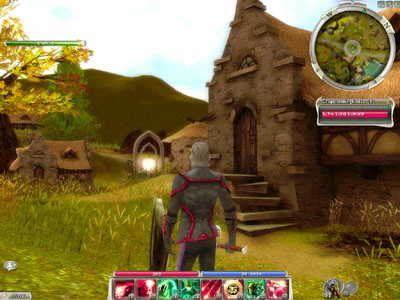 Well I have like 500 hp the monsters may hit by...oh whatever here I go! -said minutes before becoming a mangled corpse.
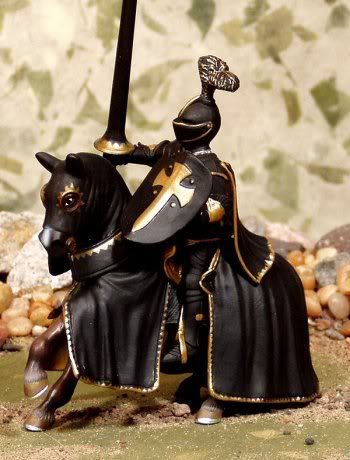 Behold my great ride. I know nothing about horse riding but been lv 30 and doing an idiotic quest made the trick.
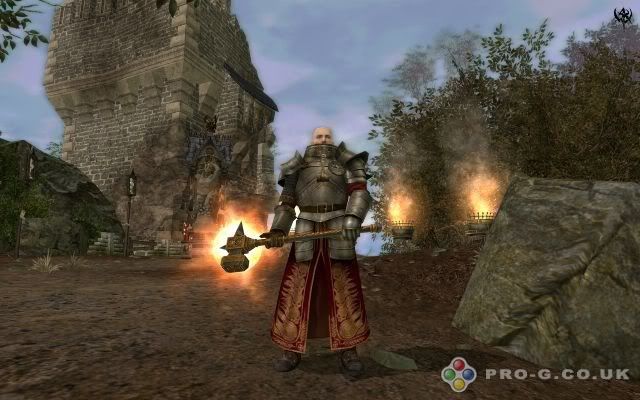 What? I've killed thousands, I am feared troughout the land and now you want me to fetch this herb to your grandma?
 Tales of Vesperia (Xbox 360)
 Elder Scrolls: Oblivion (Xbox 360, PS3 and PC)
 Myst 3: Exile (PC)
 Street Fighter IV (Xbox 360, PS3 and PC)
 Gran Turismo 5 (PS3)
 Sonic Adventure music is a cool mix of alternative rock and hip hop
 Nobuo Uematsu's band. Nobuo is the creator of most of the music heard in the Final Fantasy saga (except for 11 and 12)
 Castlevania: Symphony of The Night has one of the most beautiful soundtracks in the gaming world
 An entire orchestra, it is a beautiful sight
 The classic grand piano


